

Plants seem to do all their growing in secret, shooting up overnight or inconspicuously in plain sight while being careful not to make their developments known. But what if their process was made remarkably visible or magnified for better view?
As a child, composer Miya Masaoka was shocked to discover that her morning glory plant had wrapped itself around a pencil overnight. Inspired by this moment, she brings listeners into the enigmatic happenings of trees and plants on Botanical Life: The Complete String Quartets (Nov. 6, New Focus Recordings). Performed by the Mivos Quartet, the album illustrates the abundance of textures and colors innate to string instruments, offering a fresh perspective on what it means to stand in the middle of a forest and listen.
Masaoka has decisively chosen string instruments as her medium because of their connection to the natural world. Though she acknowledges the materials used to make these instruments are far removed from the trees from which they originate, Masaoka believes “the plant, the bark, the wood, the branch — the source of the materials is a living thing. It continues even though the tree is dead.”
This intentional grounding is immediately compelling in Botanical Life #1, where Mivos masterfully creates an atmosphere of expansion, mystery, and texture. The creaking of slowly dragging the bow across the string and knocking on the side of the instruments captivatingly reflect how trees are said to communicate: using short, rhythmic clicks. Adding to the climate are textural glimmers of quick ghostly ponticello, tremolo, and col legno. In the exciting climax, the conversation between the trees intensifies in dynamics and the energy of harsh, swirling notes, which eventually devolve back into a calm and eerie landscape.
Botanical Life #2 presents a similar landscape of brushing, scraping, and ponticello with additional textural elements. As long, pitched drones either remain stagnant or subtly move by semitones, Masaoka briefly suspends reality and leads listeners to question if they are indeed still listening to a string quartet. The real surprises in the sonic experience of this work are a high-pitched, almost siren-like beep, and the sound of a tambourine somehow being created by the ensemble.

Likened to the fog and mist that hangs among the trees, Partial Eclipse is an ode to the sunlight that tries to find its way to the forest floor. The long drawn harmonics perfectly embody this imagery; they are luminescent and dreamy while also being a bit haunting. Throughout the piece, the players only lightly depress the strings, resting one finger on top, and never make contact with the fingerboard to play harmonics, creating the lambent effect. The combination of technique and atmosphere yields an amusing meaning to the title.
The remaining three string quartets shift their intent, encouraging the practice of listening with one’s entire body and feeling the sound. Survival, written for Masaoka’s parents who endured Japanese American Internment camps, presents a sense of urgency and unease that is not present in the other works. Here, driving rhythmic passages are surrounded by intense rising and falling glissandi. The Horizon Leans Forward begins with some of the textural material heard earlier in the album, but soon presents “the sonority of flattened emergency sirens.” But even at their most dramatic, the sirens always return to a horizon-like stillness.
Through its rich, beautiful sound and masterful showcase of extended techniques, Botanical Life expands what is possible for both artist and listener. In the concluding work Tilt, all of the unique and captivating qualities from the previous works return: winding passages, extended techniques like knocking and brushing, and siren motifs. An exciting “ta da” moment is stated three times towards the end, and a metallic tremolo dissolves into silence as the pitch continues to ascend — allowing Masaoka’s cerebral album to feel satisfyingly complete.
I CARE IF YOU LISTEN is an editorially-independent program of the American Composers Forum, and is made possible thanks to generous donor and institutional support. You can support the work of ICIYL with a tax-deductible gift to ACF. For more on ACF, visit composersforum.org.

Nicole interacts with the world as a sound maker; mainly with percussion and electronics. They recen...
Tags
A Golden Ring of Gospel, Bill Destler, Caroline Paton, Harkins Freye, Lily Talmers, Lucy SImpson, Mary Alice Amidon, Nicole Patrick, No Plexus, Olivia Ellen Lloyd, Peter Amidon, Rock Creek, Sonya Belaya, Tanner Porter, Tom McHenry, Wally Macnow
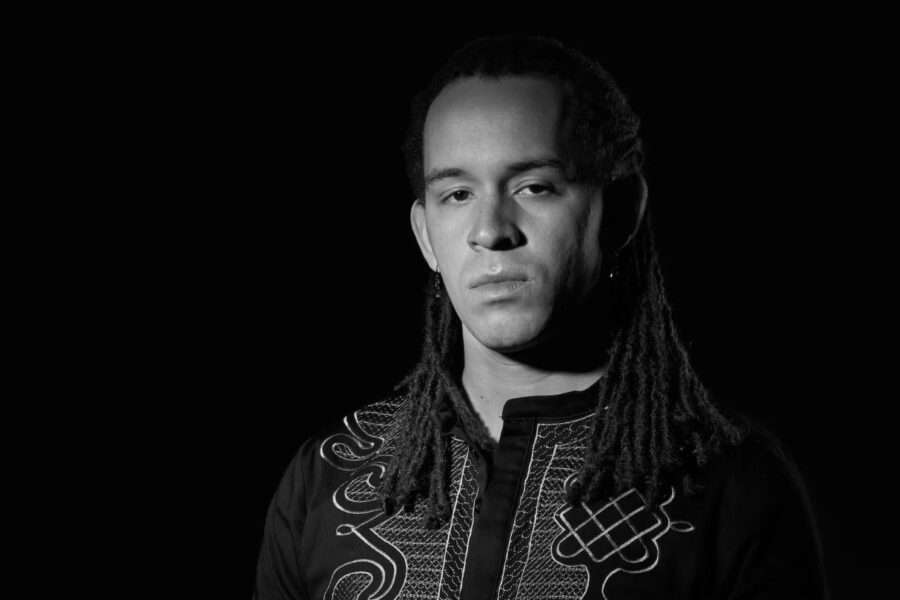
How big is a moment of music? For composer Elijah Daniel Smith, the question isn’t just rhetorical;...
Tags
~Nois Quartet, Elijah Daniel Smith, New Focus Recordings, Sō Percussion
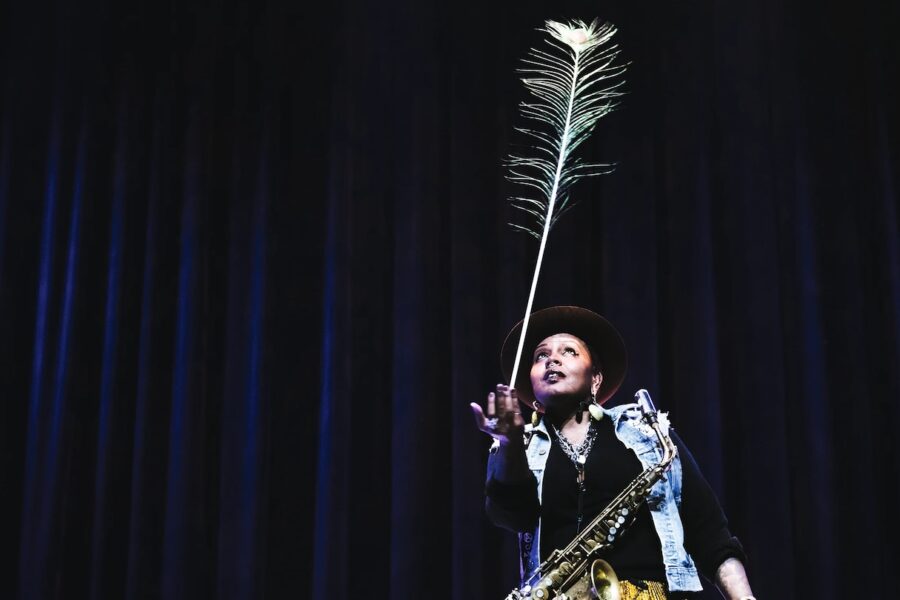
Matana Roberts was offstage balancing a long peacock feather on their palm and humming. With no anno...
Tags
Matana Roberts, Roulette, Roulette Intermedium
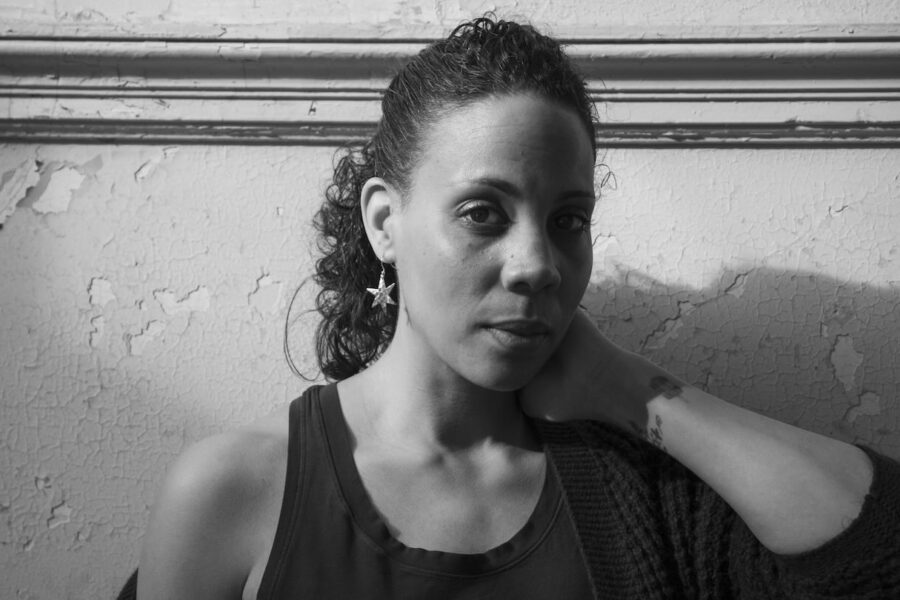
Cara Hagan is an artist in disciplinary flux. A dancer, theater-maker, sound-designer, and writer, s...
Tags
Amen Igbinosun, Ash Stallard, Cara Hagan, Chloe Robinson, Elinor Kleber Diggs, JACK Arts, Maurice Ivy, Nailah Jappah
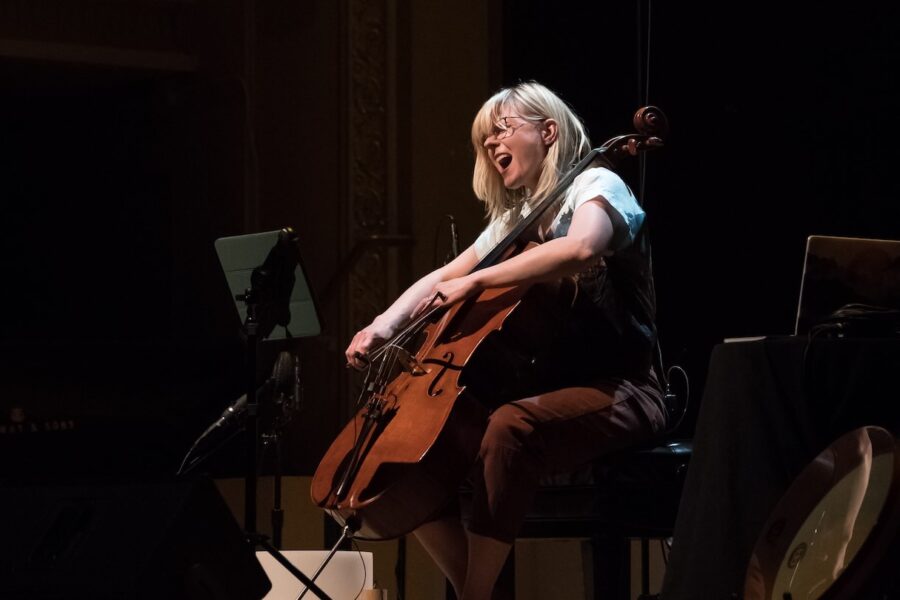
Through Forward Music Project, cellist Amanda Gookin’s ambition has been to inject a sense of humani...
Tags
Amanda Gookin, Bright Shiny Things, Camila Agosto, Jessie Montgomery, Martine Kinsella Thomas, Pamela Z, Sarah Hennies, Seong Ae Kim
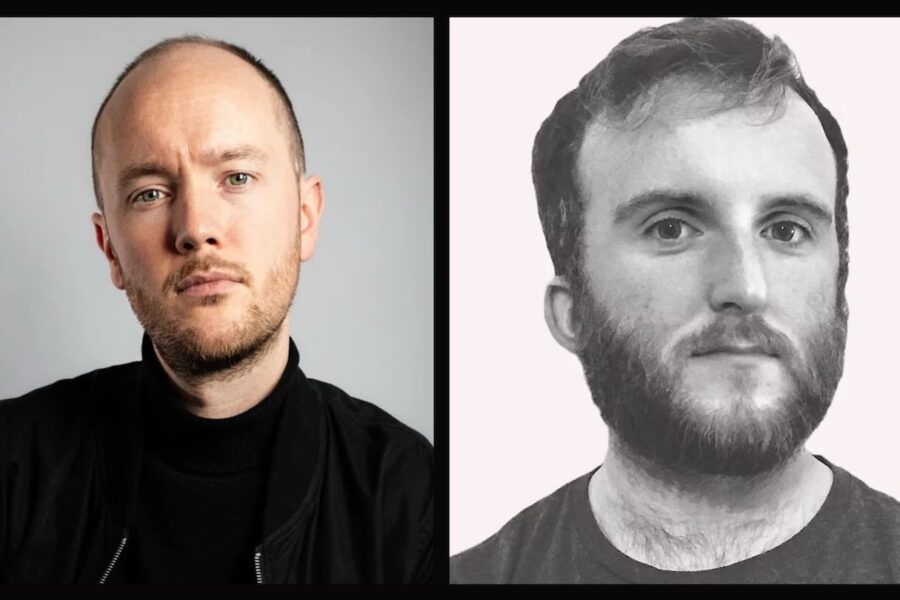
How can the voice and piano recital be made contemporary? In his engaging introduction, baritone Osk...
Tags
Ben Smith, Cameron Biles-Liddell, City of St. George's, Eleanor Alberga, Michael Parsons, Oskar McCarthy, Scratch Orchestra, Yshani Perinpanayagam
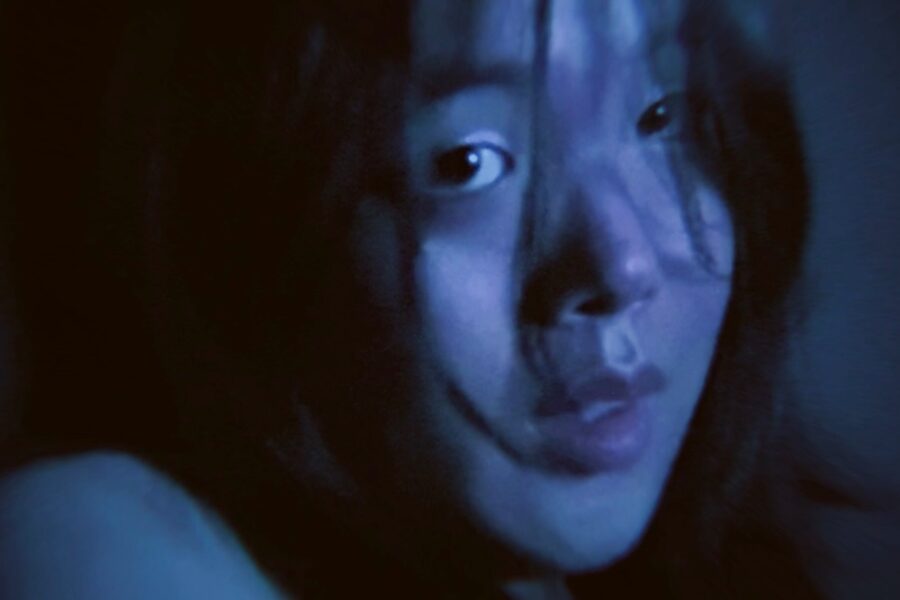
California-based composer Lucy Liyou synthesizes field recordings, text-to-speech readings, poetry,...
Tags
Chxrry, David Wise, Judy Garland, Lucy Liyou, Sade, Sharon Udoh, Terrace Brothers + Asa, Yma Sumac
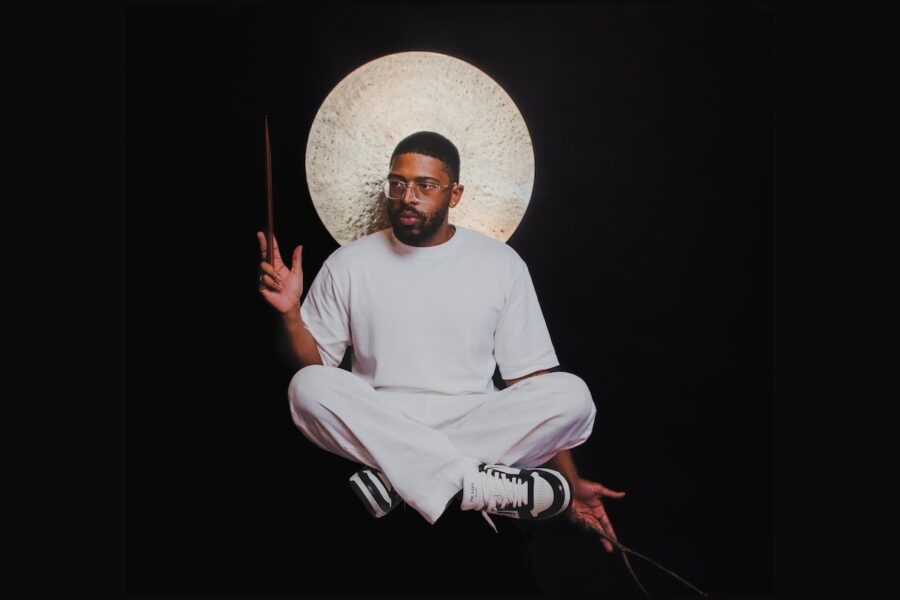
Kayvon Gordon’s love of the drums began early — at home, he was banging pots and pans; at preschool...
Tags
Benny Green, Charley Bannister, Craig Taborn, David Leon, Dean Torrey, Elias Stemeseder, Gerald Cleaver, Immanuel Wilkins, Joel Ross, Johnny Murray, Kalia Vandever, Kayvon Gordon, L’Rain, Marcus Belgrave, Robert Hurst, Rodney Whitaker
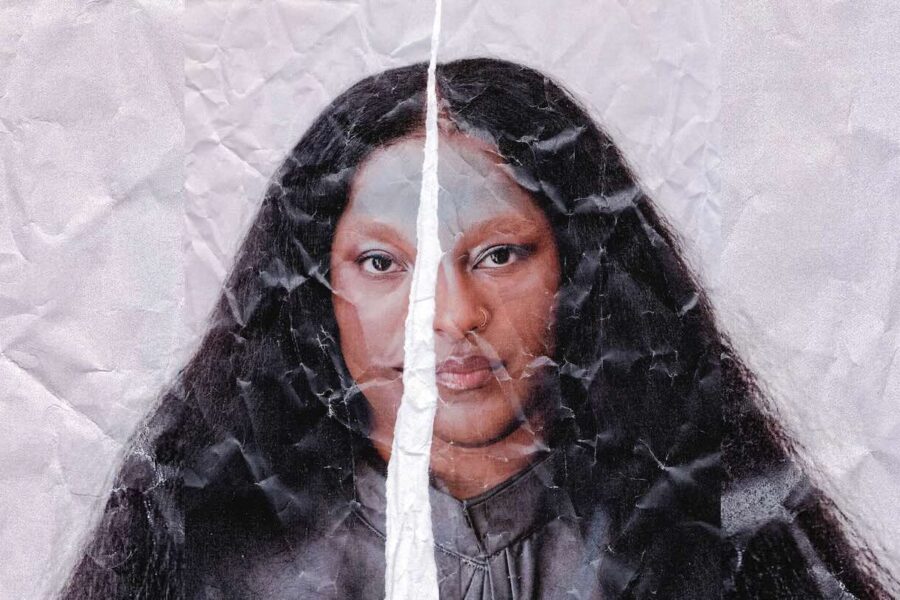
Taja Cheek is a Brooklyn-based multi-instrumentalist, composer, and curator who makes music as L’Rai...
Tags
Creative Time, L’Rain, MoMa PS1, Performance Space New York, Taja Cheek (L’Rain)
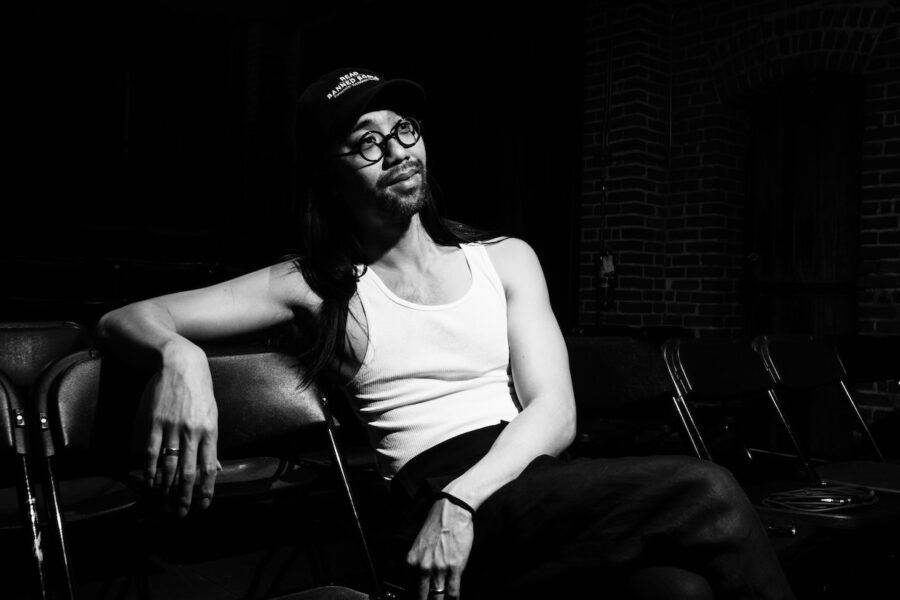
Patrick Shiroishi has a signature mode of spiritual intensity that he expresses through his saxophon...
Tags
Bon Odori, Courtney Swain, Dylan Fujioka, Fuubutsushi, Jaimie Branch, Jason Nazary, otay::onii, Patrick Shiroishi, Pauline Lay, Randall Taylor, We Jazz Records
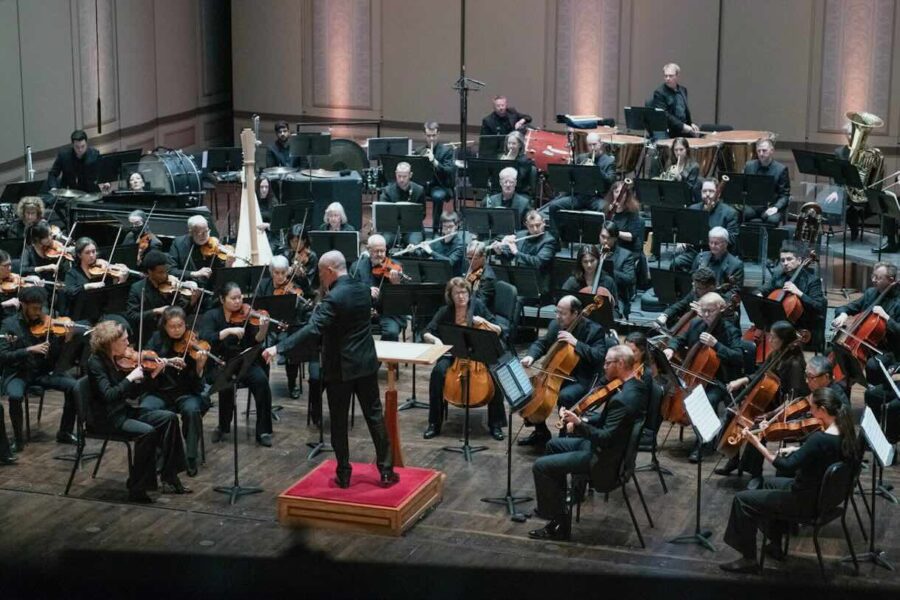
The Ohio Theater can easily swallow one’s attention. The vibrancy of the Spanish-Baroque style is a...
Tags
Columbus Symphony, Columbus Symphony Orchestra, Davóne Tines, Gregory Spears, Piotr Illich Tchaikovsky, The Ohio Theater
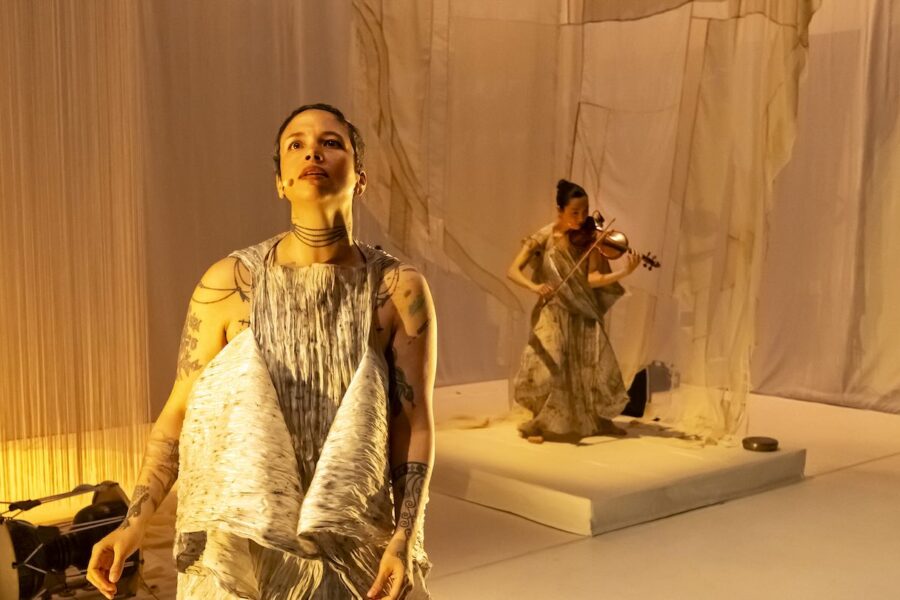
How does it feel to look at nothing? The title of Holland Andrews and yuniya edi kwon’s experimental...
Tags
BAM, Brooklyn Academy of Music, Holland Andrews, yuniya edi kwon

Dale Trumbore is a Los Angeles-based composer and writer whose music has been called “devastatingly...
Tags
Anna Meredith, Dale Trumbore, Duke Ellington, George Gershwin, Ira Gershwin, John Corigliano, Kansas City Chorale, Laura Mvula, Miguel del Aguila, Shugo Tokumaru, Tori Amos
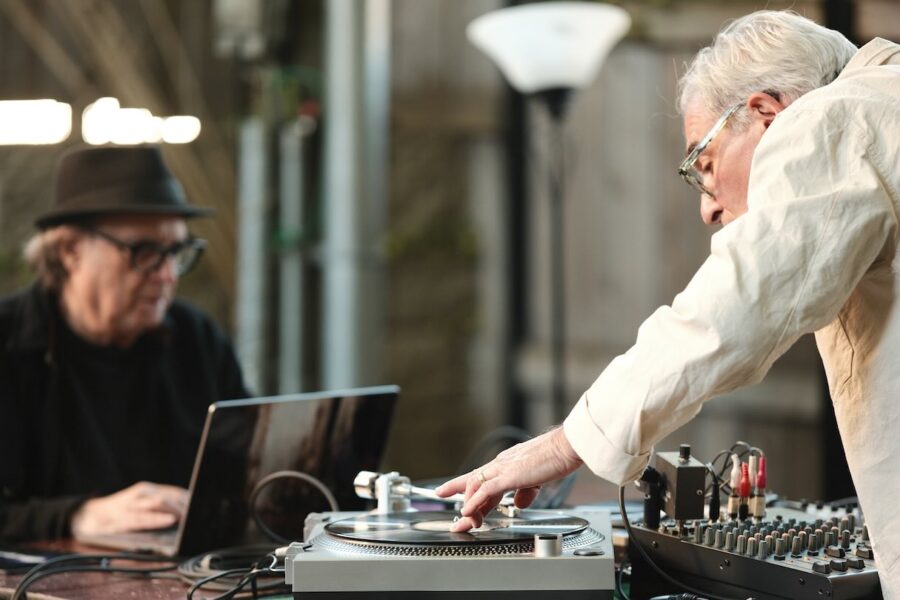
On a cloudless, crisp Saturday afternoon, a crowd of more than a hundred people are huddled in the b...
Tags
A. Martinez, Ayanna Woods, Carl Stone, Chicago Chamber Choir, Constellation, Constellation Chicago, Elena Cholakova, Experimental Sound Studio, Jamila Woods, Julius Tucker, Lou Mallozzi, Masha Vlasova, Matt Ulery, Norman Long, Sound and Gravity Festival, The Crossing, Wendy Eisenberg
(ST. PAUL, MN, Oct. 20, 2026) – Today, we are proud to announce that Recomposing America is now Amer...

The violin doesn’t always sound like a violin on Marina Kifferstein’s new album, Strand Line (Oct. 2...
Tags
Ashkan Behzadi, Gold Bolus Recordings, Liza Lim, Luciano Berio, Marina Kifferstein, TAK Ensemble, The Rhythm Method
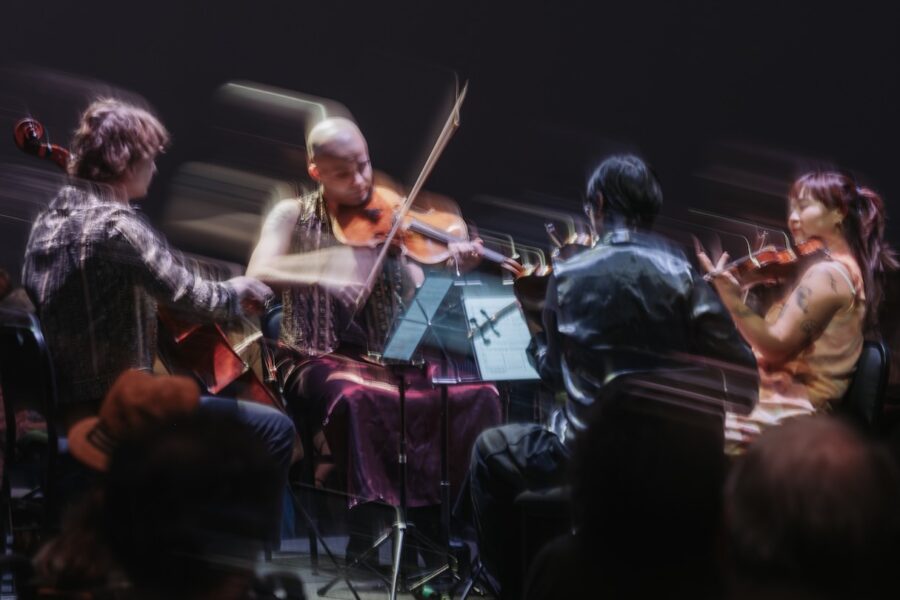
The ancient Greek concept of poiesis is the creation of something that has never existed before. Tru...
Tags
Brian Raphael Nabors, Bright Shiny Things, Coleridge-Taylor Perkinson, Kevin Lau, Max Ball, Poiesis Quartet, Sky Macklay
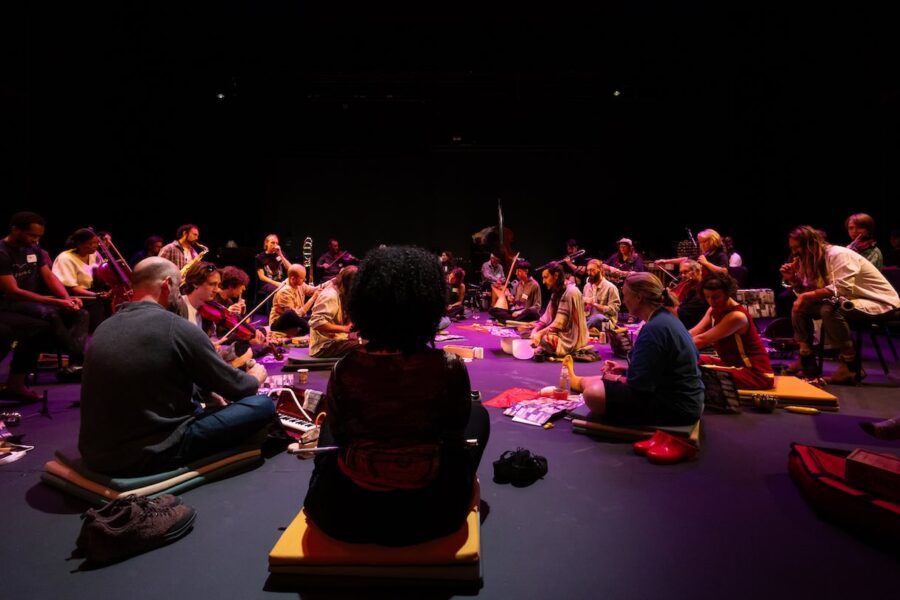
Within the sonically contained black box theater at REDCAT, a prismatic playroom of toys, knick-knac...
Tags
CalArts, Christopher Rountree, Collective Orchestra, REDCAT, Shelley Washington, Wild Up
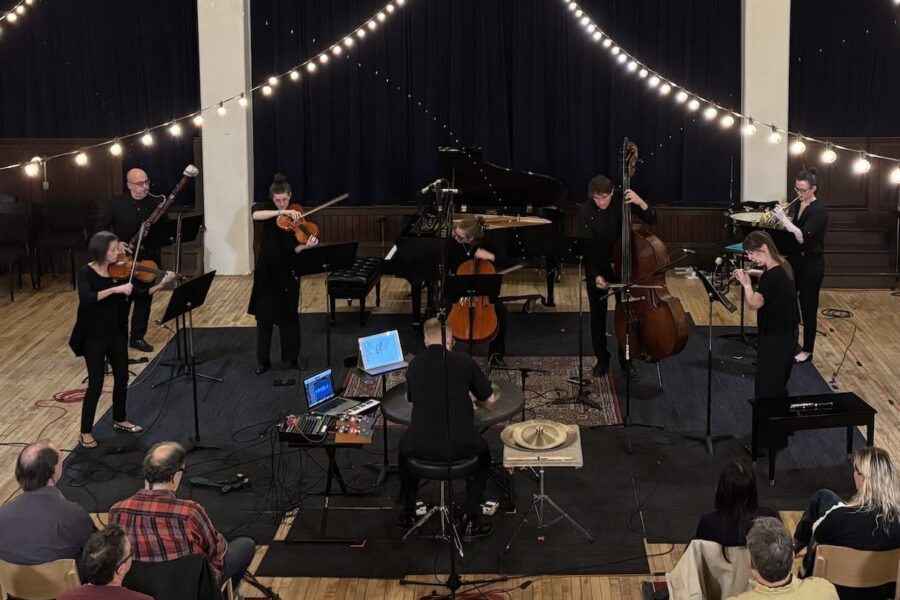
There is no music without the body. String players live with rock-hard finger callouses. Wind and br...
Tags
Adrian Morejon, Amadeus Regucera, Cy Twombly, Dennis Sullivan, EMPAC, James Baker, Joseph Jordan, Mike Lormand, Sae Hashimoto, Talea Ensemble
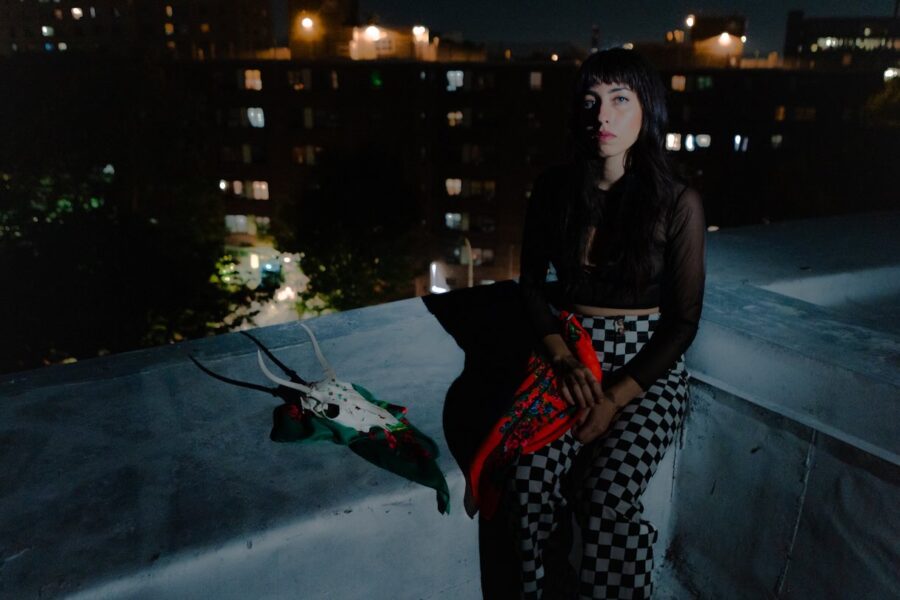
The double bass is one of several tools that Mali Obomsawin uses in a career that spans free jazz, e...
Tags
Allison Burik, billy woods, Deerlady, Maalem Mahmoud Guinia, Magdalena Abrego, Mali Obomsawin, Noah Campbell, Out of Your Head Records, Pharoah Sanders, Taylor Ho Bynum
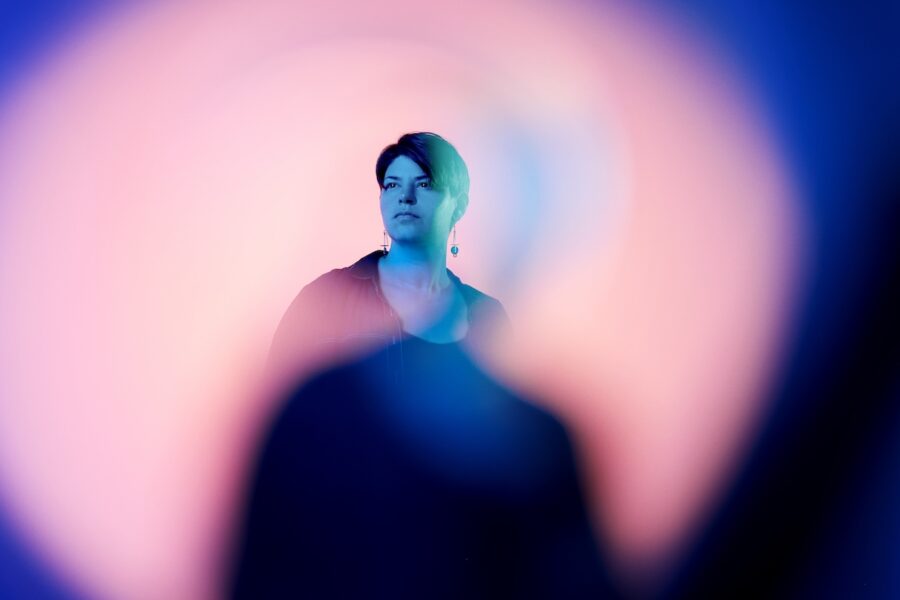
Alyssa Weinberg uses color, texture, and gesture to channel big emotions, creating music that is “qu...
Tags
Alban Gerhardt, Alyssa Weinberg, Anna Thorvaldsdottir, Donnacha Dennehy, Ensemble intercontemporain, Gabriel Cabezas, György Ligeti, International Contemporary Ensemble, Kaija Saariaho, Liam Byrne, Myung-Whun Chung, Nadia Sirota, Pierre Boulez, Salvatore Sciarrino, Saschko Gawriloff, Seoul Philharmonic Orchestra, Unsuk Chin
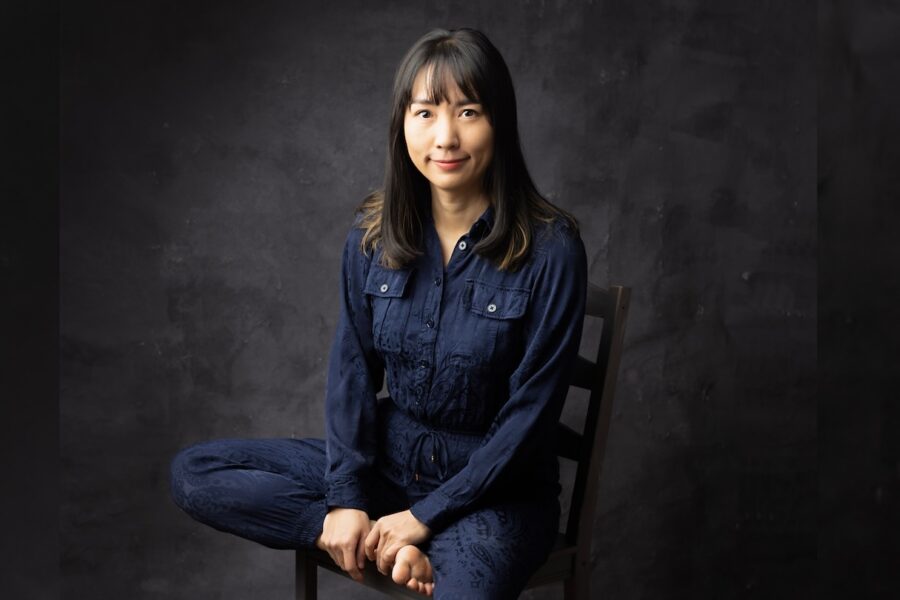
Juri Seo thrives in the balance of complex compositional processes and aesthetic bliss. In an essay...
Tags
Christian Euman, Friction Quartet, JACK Quartet, Juri Seo, Linda Oh, Michael Minor, Other Minds Festival, Shawn Myers
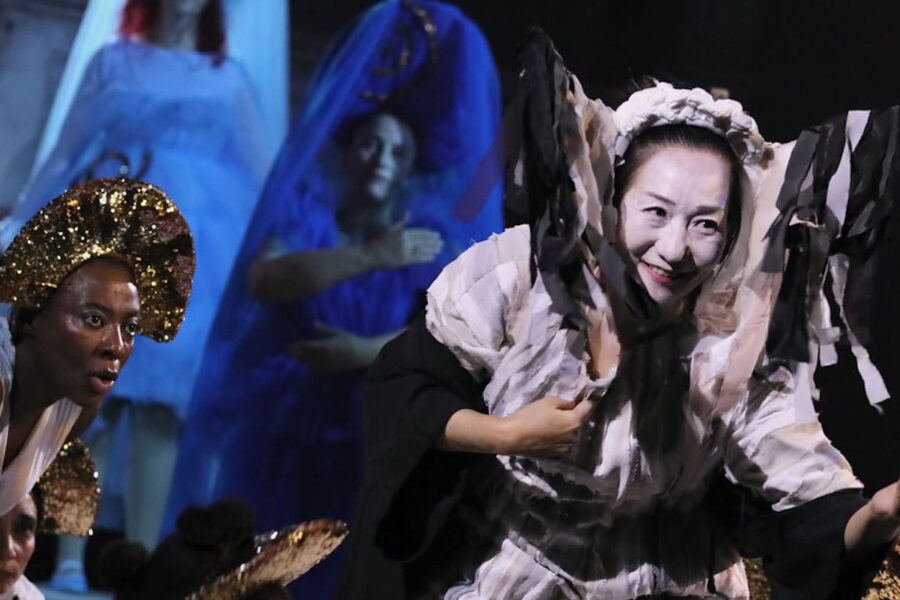
The desire to bring the music of Hildegard von Bingen into the modern day is not an uncommon one. As...
Tags
Chisara Agor, Chisato Minamimura, Fliss Jackson, Grace Nyandoro, Hildegard von Bingen, Jadyn Arriola Bagayas, Laura Bowler, Mahogany Opera, Maria da Luz Ghoumrassi, Michelle Cornelius, Nwando Ebizie, Yu Chinen